Homepage

Hunting in France.
Contents

Contact

GourmetFly.com

HUNTING IN FRANCE

Woodpigeon
Palombes


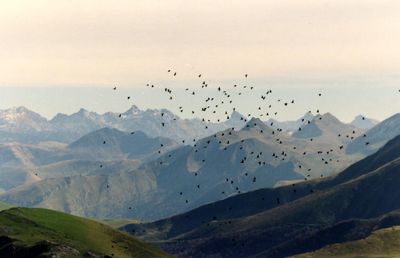
Flock of woodpigeons passing the Pyrenees in October. 
Picture borrowed from a Spanish website entirely dedicated to woodpigeon hunting. 
To discover more, visit: www.torcaces.com


Season

Mainly October - Peak date Oct 18th -

Region

In the Pyrenees of the Basque Country, in the backcountry of Biarritz & Saint Jean de Luz.

Species

Woodpigeon (Palumbus, palumbus), and other secondary species like the pigeons colombin and bizet.

Hunting woodpigeon in France -

We are offering here to attend the traditional hunts on migration roads (read the description below). Otherwise, pigeons are currently found everywhere in the north of France during the winter, and often complement the bag of any upland day.


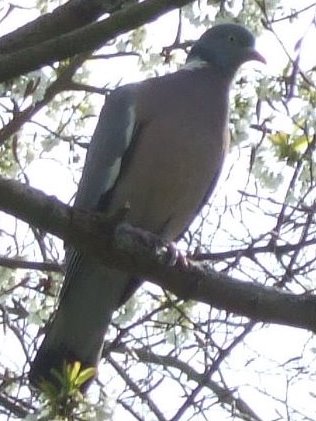
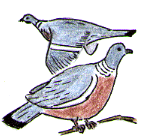
Palombe  Woodpigeon

See below images of the Pays Basque


All inclusive offer - Prices 2005 -

2 nights - 2 days shooting

for 2 sharing a double or twin room

Starts at 430 euros per hunter including, hunter's license, 2 hotel nights at a selected mountain hotel, all meals, 2 days shooting at the pass. Not included, transportation, drinks & cartridges. No guarantee of bag or presence. The flocks are leaving northern Europe in Oct/Nov and we only bet and hope to meet them in the Pyrenees during their trip ! 

Using a small luxury hotel, same program, the price per hunter would be 690 euros

*

Read about - The traditional Basque woodpigeon hunt...

From an article published in The Gourmetfly Newsletter of September 1999 - some pictures are placed below.

Saint Luke in the Basque Land - October 18th is Saint Luc, and the old saying goes: "à la Saint Luc... le grand truc !" it is only a saying among palombe hunters in the South-West of France. At Saint Luke, The big thing ! It is supposed to be the migration peak of this more than appreciated pigeon. The bird causing serious fever to the south-westerner hunters. Many of them take a month holiday just to wait for the mythical flocks. There are many ways to hunt them but what is done by the Basques on top of the Pyrenees is unique in the world. Let me try to explain.

Those pigeons come from subarctic parts of our continent like Russia or Scandinavia heading to the south of Spain and North-Africa. They move in big flights making few stops and their migration lasts from early October to mid November. On their way, they must cross the high Pyrenees mountains. There, for over centuries, the Basques have developed an amazing technique to catch them with nets. The clue was found by a monk of Orreaga - Roncevaux Abbey 6 or 700 years ago. He observed that falcons and hawks were also waiting for the birds. As the mountain is quite high, the effort for the palombes to fly across is very important. They are flying through passes using the same route since ever. Here are waiting the hawks for a nice strategic attack and the promise of good food. They attack under the flock. The monk noticed that when the hawk attacks the flock, the pigeons are too tired to fly away or gain more altitude as usual. So they dive to the ground and escape from the bird of prey like this, continuing to fly at very little distance of the ground.

The Basques imagined to imitate the hawk's attack to make them dive into a net. You must figure out that all this happens on the top of a big chain of mountains. Firstly, the birds arrive flying at an altitude of 1000, 1500 meters, (4.00 ft) they fly along the mountains and some Basque guys are here trying to keep the flock in the right lane with big white flags, horns and their famous shouts. These are called xatarlari. It means the guy who uses the whip-flag called xatar, pronounce it like chat, in English. They really have a stunning voice. If the flight leaves the lane leading to the pass, they begin to shout like hell, use the flag and the horn, beat some sort of drums, and the birds keep flying well centered.

Then they get close to the net, they are still very high in the sky. So the Basques have built towers on top of the mountains. And it is a high mountain. The towers are still very low compared to the flock. Now comes the invention of the monk: The guy on the tower called abatari, very strong and skilled man, starts throwing sorts of wooden battledores painted white with chalk. This produces a pretty good imitation of a hawk's attack and with luck the flight should dive to the small net in the center of the pass. Maybe I'm not explaining well, but believe me, this is something very impressive and means a lot of skills and efforts to succeed.

So, on Saint Luke many people go there to watch or eat some salmis or plantxa grilled palombes in the restaurants nearby. I was among them. And I always appreciate it. The grilled palombes are fantastic but it is a secret process that few people can reproduce out of the Pays Basque. You must try this on the spot around Donapaleu, Osquich, Saint Etienne de Baïgorry or Sare.

If you want to try a Salmis de Palombe at home - It is a red wine stew and I guess the recipe applies to any wild pigeon in the world. Only one thing is highly important, no fat bird should be used as the grease would melt in the stew and result would be poor - I have had a very bad culinary experience in Spain with turtle dove overfed with sunflower seeds - Salmis can be prepared canned or preserved. You can also cook and deep freeze in portions very quickly ready when you want to use later. This is an enjoyable alternative home "fast food".


Take a wild pigeon, roast it a short while in an oven. Take it out and cut it into parts. Two breasts two legs, and the rest. Take the skin and bones cut in pieces, put in a casserole with butter (locals would use goose fat). Add a small carrot and an onion, also cut in small pieces, garlic, parsley, thyme, bay leaf and let it take color. Add a spoon of flour, mix well and let it take color again. Add two glasses of strong red wine (Irouléguy) and a spoon of brandy, give some heat, place the breasts and legs in the preparation then boil gently at low heat for an hour. Take the breasts and legs out, then press and strain the sauce. The sauce must be rather thick. Serve with mushrooms and potatoes. Sprinkle with a little of fresh parsley.

Pictures below courtesy of Ian and Jess MacLean


View over the border line trail

and the valleys

which are the ways taken by the flocks

By good weather the blue Ocean can be seen in the background

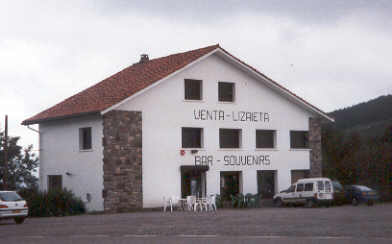
Café at the pass in front of the now closed Guardia Civil check point

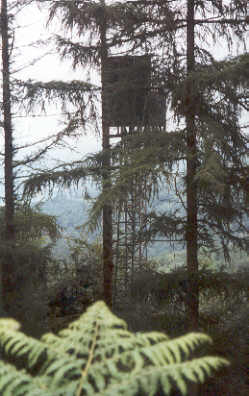
One of the towers for the Abatari

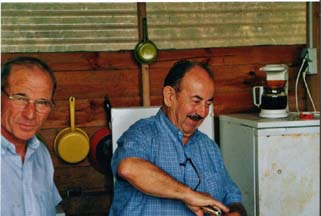
A coffee is prepared at dawn in the shelter...

Is this man really opening a bottle of coffee ?

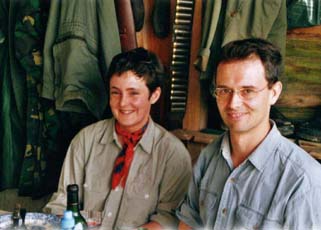
A rustique but wife endorsed holiday

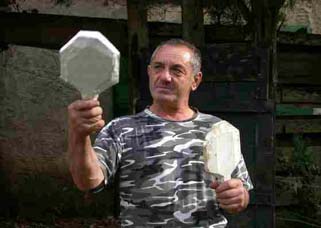
The abatari and the tools of his trade

*

The Basque Pyrenees

Rough situation map

In France -1 Ariège -2 Béarn -3 Pays Basque -

In Spain - 4 - Navarra - 5 - Aragon - 6 - Catalonia -


The Pyrenees between Béarn & Basque Land

La côte des Basques in Biarritz

Prelude

You will usually join the Basque Pyrenees, from the Basque seashore by Saint Jean de Luz or Biarritz - There are found the main train stations and the airport. We can arrange for you a preliminary stay on the seashore. Our service includes touring indications for the whole area, as well as gastronomic tips to use at the famous mariscos (seafood) and tapas bars or restaurants in Spain at the border towns of Irun and Hondarribia.

Itxassou, the "Nive" at the "Pas de Roland"

General program

Our program features a combination of shooting & sightseeing. After leaving the ocean, you will start to climb the Pyrenees, following the course of la Nive. On a normal day, you will wake up before dawn and join the blind in the mountain. Passing flocks should keep you occupied between the point of the day and the late morning. The rest of the day can be used (firstly for a good lunch), visiting the region. Non hunters will equally appreciate the holiday especially those who like long walks, photography or watercolor painting. The idea is to have the most complete look at the different local curiosities and beautiful spots. Of course like always at Gourmetfly.com the gastronomic part has a big importance.

Beech forest and torrent of the Monte Iraty

Accommodation

Quaint mountain Hotel - We are recommending to use quaint mountain hotels all situated in the heart of breathtaking landscapes and serving excellent menus of local cuisine and a funny authentic atmosphere. The rooms are simple but offer all the necessary comfort and have their private bathroom. With the so many places to visit and the morning hunts, such a holiday is not meant to spend more time in the room than the necessary night and shower maybe completed with a short nap. Small Luxury Hotel - On request we can offer the same program using a small luxury hotel. It could be appreciated by non hunters intending to concentrate on really enjoying a rest including long naps and reading in the room. This luxury hotel is in the center of a small town allowing to walk in the streets around the hotel.

Basque house near Saint Etienne de Baïgorry

Other Highlights

The main pleasure for the eyes is offered by the beautifully kept villages. There is an outstanding harmony between the landscapes and the unique local architecture. The Basques have wisely kept their mountains in beautiful shape. We can say that our favorite spots -where we will send you- are not disturbed by any visual pollution. You can tell how rich, strong and old is the Basque culture, just by quickly looking at the houses, the villages, the churches and their cemeteries. These exterior wonders are of course completed by a rich gastronomic tradition.

Black head "Manech" ram

For the cheese of Ossau Iraty

Gastronomie

The food in the Pays Basque, is one of the most picturesque of our country. The choice of raw material is huge, proceeding from three very different sources (the mountains, the plains around les Gaves, and the ocean). The Spanish influence is also very important though there is Basque culture present on both sides having little to see with neither the main French nor with the Spanish gastronomic culture. Basque people are keen gourmets and cooks. Many male Spanish Basques are members of clubs named sociedad gastromica, where they congregate, talk and cook at their turn. These clubs are even more closed to women than the (worse) British clubs, but it does not mean that the Basques do not like the cuisine of their wives, mother or grand-mother... au contraire !

Beautifully arranged Auberge, also offering a wonderful view to the mountains

We will make sure that you will not miss the amazing spécialités locales. To name only a few, we would mention the fantastic cured Spanish or French hams, like the jambon des Aldudes. The cheese of Ossau Iraty curiously served with the black cherry jam of Itxassou. The superb foie gras, and many other delicious curiosities based on wild cèpe mushrooms, game or wild fish. In the region are produced the red wines of Irouleguy, the sweet white Jurançon (best companion to the foie gras), and excellent digestifs such as pear brandy or wild patxaran. If our program is mainly based on rustique auberges and riverside picnics, it also features one gourmet meal at an upgrade restaurant.

Images of the Pays Basque...

Picturesque place du village bistrots

Rivers everywhere

mountains always in the background

Curiosities like this "Pottok" ponies fair at the chistera wall of Sare

Secluded hamlets beautifully kept

pristine hidden trout streams nearby

*

For more pictures of the region open also Béarn

Back to top

*